








FDIC-Insured – Backed by the full faith and credit of the U.S. Government

Smart Banking Tips Before, During, and After Your Summer Travels

Summer travel should feel exciting, not stressful. Whether you are heading down the shore, visiting family across the country, or taking a long-awaited international trip, a little financial preparation can help you avoid unnecessary banking issues while you are away.

Before you pack your bags, take a few simple steps to make sure your money is accessible, your accounts are secure, and your travel spending stays on track.

Before You Go: Get Your Banking Ready

Do a quick banking checkup before you pack your bags.

Make sure you can:

  • Log in to online and mobile banking

  • Access the bank’s mobile app from your phone

  • Use your debit card or credit card without issues

  • Receive account alerts by text, email, or app notification

  • Cover any automatic payments scheduled while you are away

Also check your checking account and savings account balances before you leave. Make sure you have enough available for travel expenses, regular bills, and a little extra for emergencies.

Helpful tip: Keep your main travel money in your personal checking account, but consider keeping extra funds in a savings account as a backup in case unexpected expenses arise.

Set a Simple Travel Budget

You do not need a complicated spreadsheet. Just make a basic list of what you expect to spend.

Include expenses like:

  • Gas, airfare, train tickets, or rideshares

  • Hotel or rental costs

  • Meals and snacks

  • Activities and entertainment

  • Tips, parking, and tolls

  • Souvenirs and shopping

  • Emergency expenses

Then decide how much you are comfortable spending each day. This makes it easier to enjoy your trip without wondering where your money went.

Use Mobile Banking While You Travel

Mobile banking can be one of your most useful travel tools. While you are away, you can check your balance, review recent purchases, transfer money between accounts, pay bills, and spot suspicious activity quickly.

You do not need to check your account constantly. A quick review once a day is usually enough to help you catch anything unusual and keep your spending in line.

Account alerts can make this even easier. Low balance alerts, large purchase alerts, and debit card transaction alerts can help you stay informed without logging in every time you make a purchase.

Bring the Right Cards

You probably do not need every card in your wallet when you travel. For most trips, it may be enough to bring one debit card, one personal credit card or backup card, and a small amount of cash.

Keep your backup card in a separate place from your main card. For example, keep one card in your wallet and another in a hotel safe or secure travel bag. If your wallet is lost or stolen, you will still have another way to access money.

Be Careful at ATMs

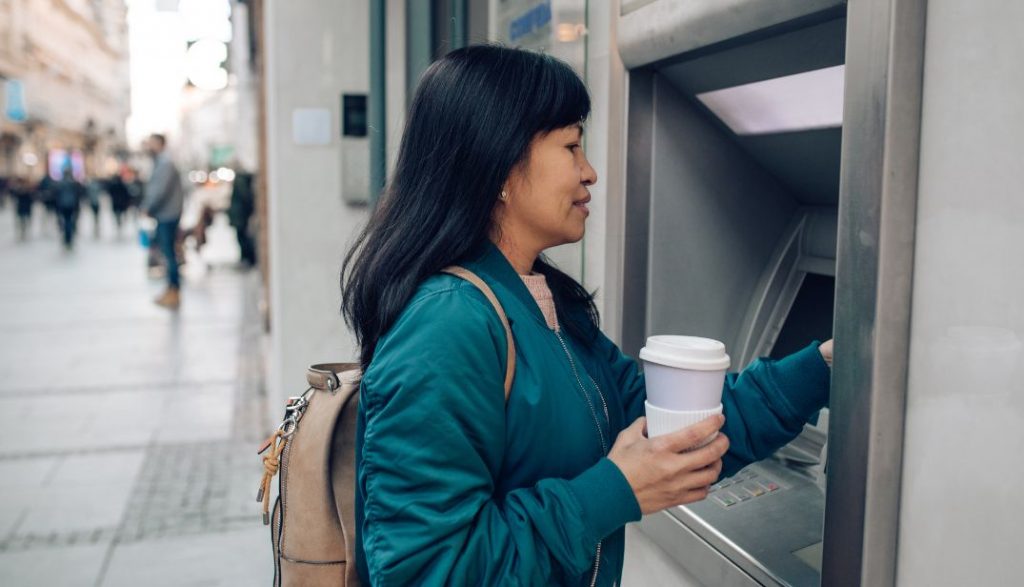
ATMs can be convenient while traveling, but choose them carefully. Use machines in secure, well-lit places whenever possible, such as inside a bank, airport, hotel, or trusted business.

Before inserting your card, take a quick look at the card reader. If anything looks loose, damaged, or unusual, use another machine. Always cover the keypad when entering your PIN.

Watch Out for Temporary Holds

Some travel-related purchases may place temporary holds on your account. This often happens with hotels, gas stations, rental car companies, resorts, and cruise lines.

These holds are not always the final charge, but they can reduce your available balance until they clear. Leaving some extra cushion in your account can help prevent a temporary hold from interfering with the rest of your trip.

Protect Your Information

Public Wi-Fi at airports, hotels, coffee shops, and restaurants is convenient, but it is not always secure. Avoid logging in to your bank account on public Wi-Fi whenever possible.

Use your phone’s cellular data or a secure private network instead. It is also smart to avoid saving banking passwords on shared devices and to log out when you are finished.

Be Alert for Travel Scams

Scammers often take advantage of busy travel seasons.

Be cautious with:

  • Fake vacation rental listings

  • Suspicious booking confirmations

  • Text messages about airline or hotel issues

  • Travel deals that seem too good to be true

Before clicking a link or entering payment information, slow down and double-check the source. Be especially careful with anyone asking for payment by wire transfer, gift card, or an unfamiliar payment app.

After You Return: Review Your Accounts

When you get home, take a few minutes to review your accounts and card statements.

Look for:

  • Purchases you do not recognize

  • Duplicate charges

  • Incorrect tips or totals

  • Hotel or rental car holds that have not cleared

If something looks wrong, contact your bank as soon as possible. The sooner you report an issue, the easier it may be to resolve.

This is also a good time to compare what you planned to spend with what you actually spent. That quick review can help you plan more confidently for your next trip.

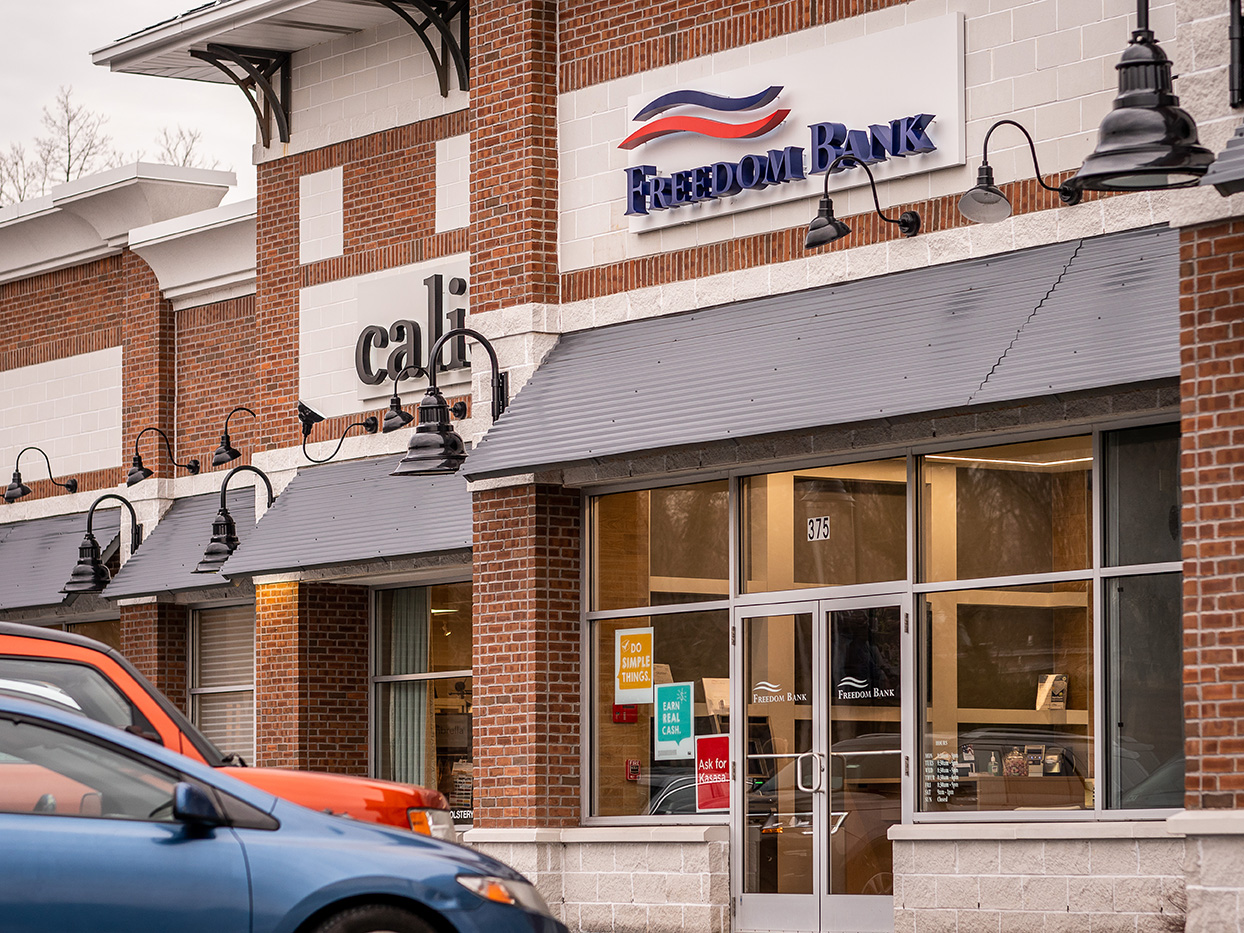
Freedom Bank Location

Travel With More Confidence

A little banking preparation can make summer travel easier. Before you leave, make sure your accounts, cards, and digital banking access are ready. During your trip, keep an eye on your spending and protect your personal information. When you return, review your accounts and make sure everything looks right.

Freedom Bank helps New Jersey customers manage their money with convenient personal banking solutions, digital banking tools, and local service from a community bank that understands everyday financial needs. If you are looking for a way to bank with more Freedom, visit one of our local North Jersey branches today.

Disclaimer: This is an article intended to provide general information and should not be considered a substitute for personalized financial advice. For more personalized information, visit a local Freedom Bank branch or contact us online.