









FDIC-Insured – Backed by the full faith and credit of the U.S. Government

How to Start Saving for Unexpected Expenses

An unexpected car repair, medical bill, or home problem can put pressure on any household budget. This September, National Preparedness Month offers a useful reminder to think about how you would handle an expense you did not see coming.

Setting money aside can be difficult, especially when regular bills already take up most of your income. Emergency savings does not have to begin with a large deposit. A few dollars at a time can still help you build a useful reserve.

What Is Emergency Savings For?

Emergency savings is money kept for necessary expenses that are not part of your normal monthly budget. It can help cover situations such as:

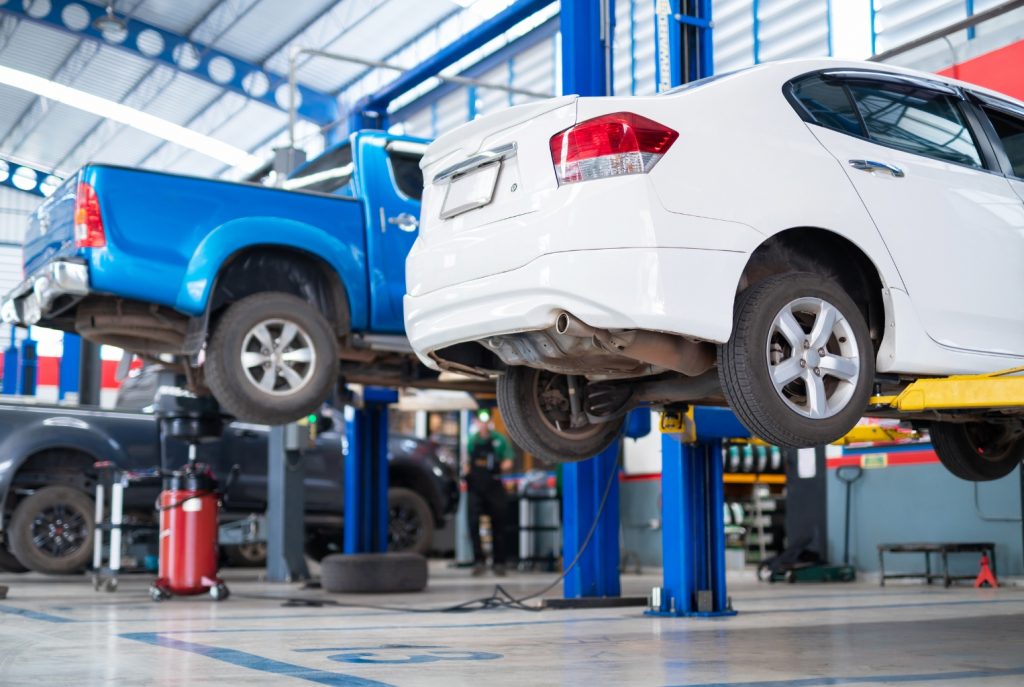
  • An urgent car repair

  • An unexpected medical or dental bill

  • A broken heater or major appliance

  • Emergency travel to help a family member

  • A temporary interruption in income

A sale, vacation, or last-minute entertainment purchase would usually fall outside this category. Deciding what counts as an emergency before you need the money can make it easier to leave the savings alone.

Start With a Small First Goal

It is easy to feel discouraged by recommendations to save several months of expenses. That may be a long-term goal, but it does not have to be the starting point.

Choose a smaller amount that feels possible based on your current budget. Your first goal might be $100, $250, or enough to cover a common expense such as a car repair or insurance deductible. Reaching that first number can give you a foundation to build on.

There is no universal amount that every household must save. A realistic goal is more useful than a larger target that causes you to give up before you begin.

Keep the Money in a Separate Account

Emergency money can be harder to track when it sits in the same account used for groceries, gas, and monthly bills. A separate savings account makes it easier to see what you have set aside and avoid spending it by accident.

The money should still be available when a real need comes up. Before opening an account, review its fees, balance requirements, withdrawal rules, and access options so you understand how it works.

Freedom Bank offers several personal savings account options with online and mobile banking access. These options can help North Jersey customers keep savings separate while still being able to view their accounts conveniently.

Save an Amount That Fits Your Budget

A small amount saved regularly can be more manageable than waiting until you have a large amount available. For one household, that may mean $10 each week. For another, it may mean $25 from each paycheck or a different amount each month.

The best amount is one that does not prevent you from paying for housing, food, utilities, transportation, and other necessary expenses. If money is especially tight during a certain month, it is okay to reduce or pause the contribution.

Saving does not have to look exactly the same every month. The habit can continue even when the amount changes.

Make Transfers Part of Your Routine

Moving money into savings can be easier when it becomes part of a regular routine. You might transfer money after each paycheck, once a week, or after the month’s major bills have been paid.

Freedom Bank’s online banking tools allow customers to transfer money between accounts, check balances, review recent transactions, pay bills, and deposit checks through a smartphone. That makes it possible to move money from checking to savings without visiting a branch.

Before making a transfer, check your checking account balance and upcoming payments. This can help you avoid moving money that will be needed for scheduled bills or everyday expenses.

Look for Small Expenses You No Longer Have

Sometimes, money becomes available when another expense ends. A paid-off bill, canceled subscription, or completed payment plan may create room in the budget.

Instead of allowing the entire amount to disappear into everyday spending, consider moving some of it into emergency savings. Even redirecting a portion can help build the account without creating a completely new expense.

The same idea can apply when a seasonal cost ends. Once a temporary expense is no longer part of the monthly budget, some of that money may be available for another purpose.

Set Aside Part of One-Time Money

Tax refunds, work bonuses, cash gifts, and reimbursements do not arrive every month. When extra money does come in, placing part of it into savings can help the emergency fund grow faster.

That does not mean the full amount has to be saved. Many households have several needs competing for the same money. Dividing it among bills, planned purchases, and savings may be more practical.

Decide what makes sense based on your own expenses and responsibilities. The goal is simply to remember emergency savings when one-time money becomes available.

Make It Easy to Track Your Progress

Watching the balance grow can make saving feel more real. Online and mobile banking provide convenient ways to check the account and see how close you are to your next goal.

You may also want to name the account “Emergency Savings” if your banking tools allow account nicknames. A clear label can serve as a reminder that the money has a specific purpose.

Once you reach your first goal, choose the next one. Building the account in smaller stages can make progress easier to recognize.

Rebuild After You Use It

Using emergency savings is not a failure. If the money covers an urgent expense, the fund did what it was created to do.

Once the immediate situation has passed, begin rebuilding at a pace that works for your budget. You do not need to replace the entire amount at once. Returning to a small weekly or monthly contribution is enough to restart the process.

The expense may also help you choose a future savings goal. If a repair cost more than expected, you may decide to build toward a larger reserve over time.

Small Steps Can Still Make a Difference

Saving for emergencies can feel overwhelming when you focus only on the final amount. Starting with one small goal, using a separate account, and adding money when your budget allows can make the process feel more manageable.

Some months may offer more room to save than others. What matters is creating a system you can return to when circumstances allow.

Freedom Bank offers savings accounts, checking accounts, online banking, mobile deposit, and other personal banking services for North Jersey customers. Learn more about banking with a local team serving Bergen County, Hudson County, and nearby communities.

Everything Starts with Freedom.

This material is provided for general educational purposes only and should not be considered financial advice. For personalized information, please contact us online or visit a local branch to learn more.